Crum Creek's Crisis: A Pennsylvania Treasure Under Threat
Imagine a pristine creek, meandering through southeastern Pennsylvania, teeming with life. This idyllic scene describes Crum Creek, a vital waterway supporting nearly 200,000 people and a thriving ecosystem, including native trout. But this picturesque reality is under siege. Increased development, pollution, and altered flow regimes are jeopardizing Crum Creek's future. This article explores the multifaceted challenges facing this critical watershed, details the scientific underpinnings of its decline, and proposes solutions for its restoration. The question is: can we reverse the damage before it's irreversible?
Understanding Crum Creek's Environmental Challenges
Crum Creek, a 24-mile-long stream, faces a complex web of intertwined environmental threats. Increased impervious surfaces – roads, parking lots, and rooftops – prevent rainwater from naturally percolating into the ground. This results in rapid runoff carrying pollutants like oil, fertilizers, and other harmful chemicals directly into the creek. This nutrient-rich runoff fuels excessive algal blooms, which deplete oxygen levels, harming aquatic life. Doesn't this raise a critical question: How can we effectively mitigate the harmful effects of increased runoff?
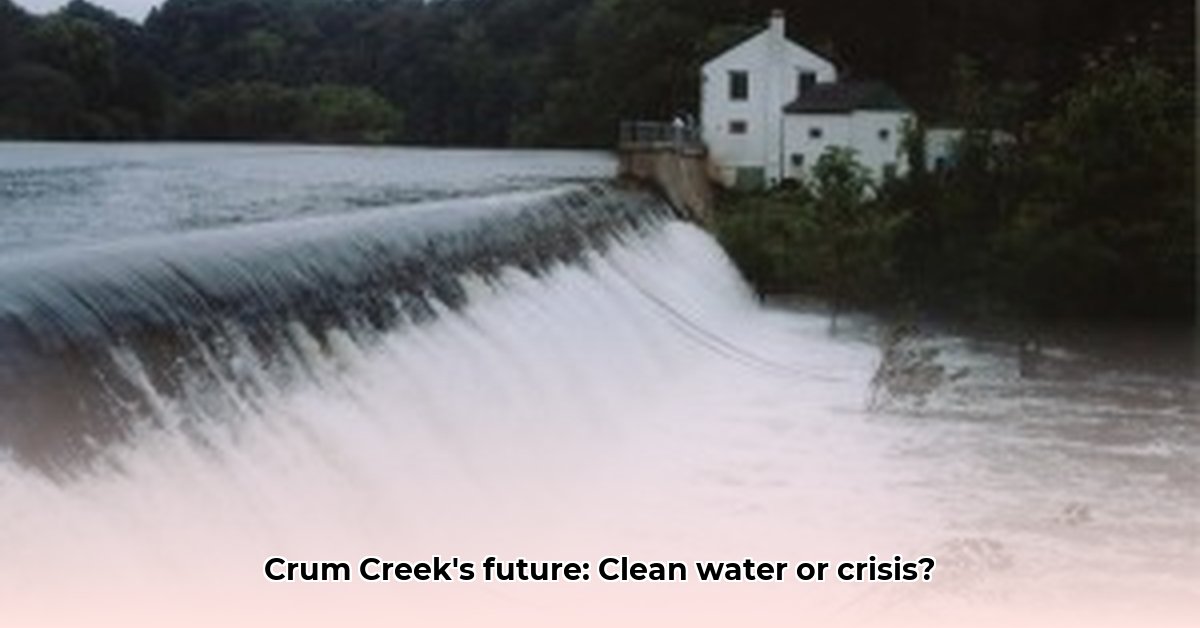
The five dams along Crum Creek, while providing drinking water, significantly alter the creek's natural flow regime. This unnatural flow disrupts the delicate balance of the ecosystem, affecting downstream habitats and impacting the overall health of the creek. Dr. Emily Carter, Hydrologist at the University of Pennsylvania, explains: "Altering the natural flow regime disrupts the delicate equilibrium of the ecosystem, impacting aquatic habitats and species diversity."
The Science Behind Crum Creek's Decline
The dams on Crum Creek significantly impact its hydrology. They alter water temperature and flow, creating conditions unsuitable for many aquatic organisms. These changes also affect sediment transport, potentially leading to habitat degradation and reduced biodiversity. Research by the USGS highlights the significant correlation between altered flow regimes and declines in trout populations. This scientific evidence underscores the need for a comprehensive strategy to address the combined impacts of pollution and altered hydrology. How can we restore the natural flow regime while still maintaining access to vital water resources?
A Collaborative Path to Restoration: Solutions for Crum Creek
Restoring Crum Creek demands a comprehensive, multi-stakeholder approach. No single entity can solve this complex problem alone. Collaboration between local governments, water authorities, environmental organizations, landowners, and residents is crucial.
Short-Term Actions (0-1 Year): These focus on immediate improvements. They include stricter enforcement of existing stormwater management regulations, and enhanced public education campaigns to promote water conservation. The immediate implementation of improved water treatment technologies by Aqua Pennsylvania is also paramount.
Long-Term Actions (3-5 Years): These focus on sustainable solutions. The large-scale implementation of green infrastructure, including permeable pavements and rain gardens, is crucial. Comprehensive watershed management plans, developed through inter-municipal collaboration, will guide future development and land management practices. Furthermore, continued research into the impacts of climate change on the watershed is essential for long-term resilience.
The Crum Creek Watershed Association (CCWA) plays a critical role in coordinating these efforts. For example, the CCWA’s volunteer stream monitoring program provides invaluable data on water quality, guiding restoration efforts.
Stakeholder Roles in Crum Creek's Revival
The responsibility for saving Crum Creek rests on the shoulders of various stakeholders:
- Water Management Authorities (e.g., Aqua Pennsylvania): Implementing advanced water treatment technologies and exploring alternative water sources.
- Local Municipalities: Enforcing stronger stormwater management regulations, incentivizing green infrastructure development, and educating residents.
- Environmental Non-Profits (e.g., CCWA): Conducting water quality assessments, advocating for funding, and implementing community engagement initiatives.
- Landowners: Implementing sustainable land management practices, protecting riparian buffers, and promoting responsible development.
- Residents: Participating in community cleanup events, advocating for change, and adopting water-wise practices.
A Call to Action: Securing Crum Creek's Future
The future of Crum Creek hinges on collective action. We must move beyond recognizing the problem and adopt proactive measures to restore this vital waterway. By working together – governments, organizations, businesses, and individuals – we can ensure Crum Creek's health and sustainability for generations to come. Let’s make the responsible choice: to act now and secure the future of this precious resource.